US Green Card Overhaul Could Reshape Global Hiring Strategies
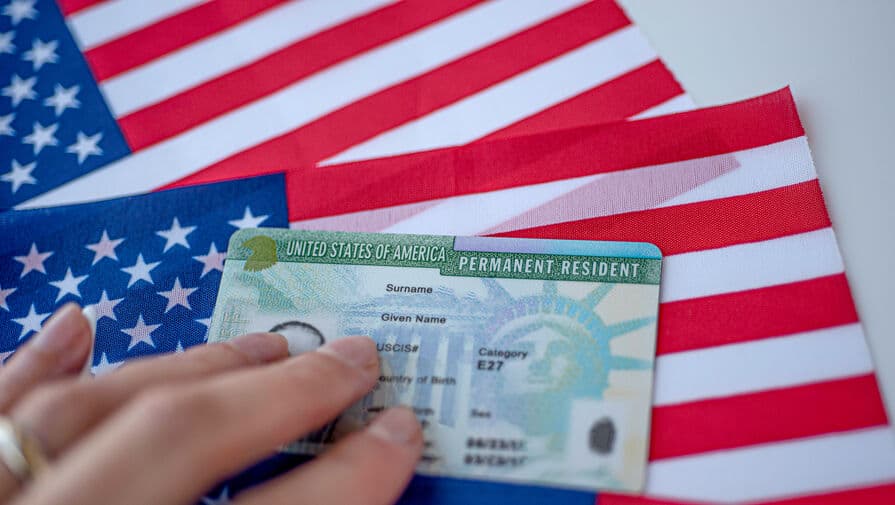
The United States is proposing significant changes to its employer-sponsored green card system, a move that could affect how companies recruit international talent and plan their global workforce.
The Trump administration says the proposed reforms are intended to give qualified American workers greater priority before employers sponsor foreign professionals for permanent residency. The changes target the Permanent Labour Certification programme, commonly known as PERM, which is a key requirement for many employment-based green card applications.
If implemented, the new rules could increase recruitment responsibilities, documentation requirements and compliance costs for employers hiring foreign workers.
What Could Change Under the Proposed Rules?
One of the major changes would require employers to demonstrate stronger efforts to recruit and consider qualified US workers before sponsoring foreign employees.
The proposal would introduce a more standardised recruitment process, including wider use of online job advertisements and recruitment platforms. Employers would also need to maintain stronger evidence of their hiring efforts.
Another significant proposal concerns companies that have recently conducted layoffs. Employers could face a restriction on sponsoring foreign workers for the same or similar positions for up to two years after laying off US employees.
The proposal also seeks to revise exemptions under the existing labour certification framework, potentially bringing additional occupations into the standard recruitment process.
Why Employers May Need to Rethink Global Hiring
For multinational companies, the proposed changes could make US-based recruitment more complex.
Employers that depend on international technology professionals, engineers, healthcare workers and other specialised talent may need to review recruitment timelines and sponsorship policies.
Companies could also consider expanding talent searches across different regions, strengthening overseas teams or evaluating alternative workforce arrangements where legally appropriate.
The increased documentation requirements may place additional pressure on HR, legal and immigration teams responsible for managing international hiring.
What It Means for Indian Professionals
The proposed changes could be particularly relevant to Indian professionals working in the US, including employees pursuing permanent residency through employer sponsorship.
A longer recruitment process and stricter employer eligibility requirements could affect the timing and availability of some sponsorship opportunities.
However, the proposal does not automatically cancel existing green cards, revoke H-1B visas or change every employment-based immigration route. Its impact will depend on the final regulation and the category through which an individual applies.
The Proposal Is Not Yet Final
The US Department of Labor's proposal will undergo a public feedback process before the government decides whether to issue a final regulation.
The proposed 60-day comment period will allow employers, industry associations, immigration professionals and other stakeholders to submit their views.
Until a final rule takes effect, employers must continue following the existing PERM requirements.
A Potential Shift in International Workforce Planning
The proposed overhaul highlights how immigration policy can influence corporate recruitment decisions beyond national borders.
If the changes are finalised, businesses may need to reassess sponsorship budgets, recruitment timelines and international talent strategies. For HR leaders, staying informed about regulatory developments will be essential to managing compliance while continuing to compete for specialised skills.